
As technological advancements continue to reshape the landscape of transportation, the future of self-driving vehicles emerges as a focal point of innovation and debate proton dealership. This article delves into the safety advancements, infrastructure impact, economic implications, and ethical considerations surrounding autonomous driving.
With a focus on the evolving landscape of self-driving technology, we explore the potential benefits and challenges that lie ahead in this transformative era of transportation.
Safety Advancements in Self-Driving Technology
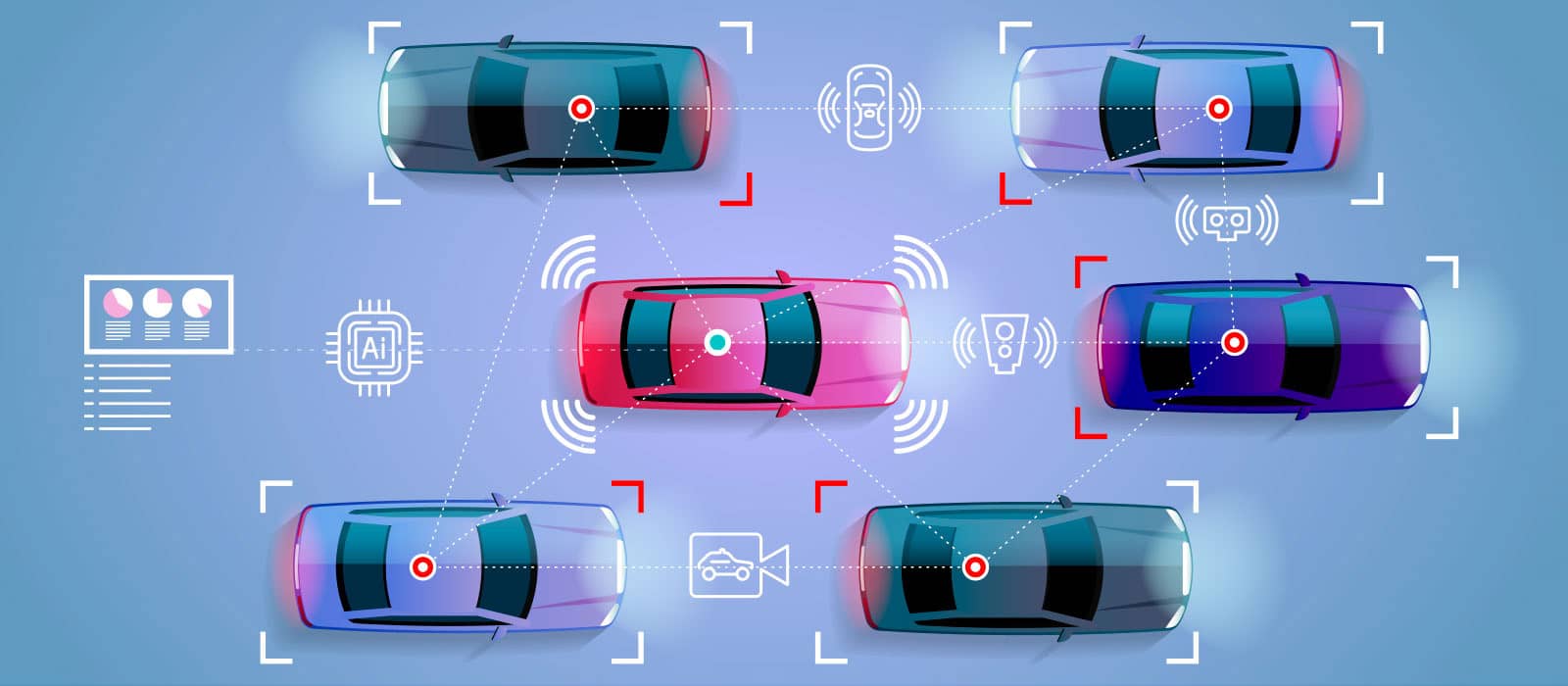
In the realm of self-driving technology, significant safety advancements have been made to enhance the reliability and effectiveness of autonomous vehicles. Through the integration of advanced sensors, artificial intelligence algorithms, and real-time data processing capabilities proton saga premium, self-driving cars can now perceive and react to their surroundings with a level of precision and speed that surpasses human capabilities.
These advancements have led to a reduction in accident rates and an overall improvement in road safety. By prioritizing safety in the development of autonomous vehicles, manufacturers and engineers are instilling confidence in both regulators and the general public regarding the future of transportation.
As self-driving technology continues to evolve, the focus on safety will remain paramount in ensuring the freedom to travel without compromising security.
Impact on Transportation Infrastructure
The integration of self-driving technology into transportation infrastructure presents numerous challenges and opportunities for urban planning and public policy. With the potential for increased efficiency and safety, cities may need to reevaluate current road layouts and traffic management systems. Self-driving vehicles could lead to a reduction in traffic congestion, as they communicate with each other to optimize routes and minimize delays.
However, adapting infrastructure to accommodate autonomous vehicles will require substantial investments in technology and infrastructure upgrades. Additionally, policymakers will need to address issues such as data privacy, cybersecurity, and equitable access to self-driving technology. Overall, the impact of self-driving technology on transportation infrastructure underscores the need for proactive planning and collaboration between government agencies, technology companies, and urban planners.
Future of Autonomous Public Transportation
Autonomous public transportation systems hold the potential to revolutionize urban mobility by enhancing efficiency and accessibility. By integrating self-driving technologies into buses, trains, and other forms of public transportation, cities can offer commuters a more convenient and reliable way to move around.
These systems have the capacity to reduce traffic congestion, lower emissions, and improve overall transportation sustainability. With autonomous public transportation, passengers can enjoy the freedom of getting to their destinations safely while reducing the need for personal vehicles.
Additionally, these systems can cater to individuals who may have limited mobility or access to private transportation. Embracing autonomous public transportation represents a step towards a future where urban mobility is seamless, efficient, and inclusive.

Economic Implications of Self-Driving Vehicles
Economic implications of self-driving vehicles are significant and far-reaching, impacting various industries and sectors. The introduction of autonomous vehicles is poised to revolutionize the transportation industry, leading to potential job displacements in traditional driving roles but also creating new employment opportunities in technology and maintenance sectors.
Cost savings from reduced accidents and increased efficiency could benefit consumers through lower transportation expenses. Additionally, self-driving cars could alter urban planning strategies, potentially reducing the need for parking spaces and transforming city landscapes.
The shift towards autonomous vehicles may also impact insurance companies, with a potential decrease in premiums as the number of accidents decreases. Overall, the economic landscape is set to undergo significant changes as self-driving technology continues to advance.
Ethical Considerations in Autonomous Driving
Amid the advancements in self-driving technology, ethical considerations in autonomous driving come into focus, raising critical questions about decision-making algorithms and moral dilemmas on the road.
One key ethical concern is how autonomous vehicles should prioritize the safety of different road users in potential accident scenarios. Should a self-driving car prioritize the safety of its occupants over pedestrians, or vice versa?
Additionally, issues of liability and accountability arise in cases where accidents occur. Determining who is responsible for accidents involving autonomous vehicles can be complex and may require reevaluation of current legal frameworks.
As self-driving technology continues to evolve, addressing these ethical considerations is crucial to ensure the safe and responsible integration of autonomous vehicles on our roads.
Conclusion
In conclusion, the advancement of self-driving technology holds great potential for enhancing safety on the roads, revolutionizing transportation infrastructure, and improving economic efficiency.
As autonomous vehicles become more prevalent, the ethical considerations surrounding their use will need to be carefully addressed.
Overall, the future of self-driving vehicles is promising, but it will require ongoing collaboration between industry stakeholders, policymakers, and the public to ensure a smooth and successful transition to a more automated transportation system.


